Online casino Roobet has been named in connection with an alleged data breach circulating on X, in which an anonymous group claims to have obtained and published identity documents and transaction records belonging to gambling streamers tied to the platform.
🚨 BREAKING: There may have been a major data leak at @Roobet casino.
Documents circulating online appear to contain passport images and casino transaction records allegedly belonging to @DOUGGAMBLES and several other streamers.
If authentic, this is a major data breach. pic.twitter.com/5V63nCGACx
— Yogi (@YogiGambles) July 26, 2026
The claims surfaced publicly on July 26, when accounts in the gambling-streamer community pointed to a dedicated website hosting the material. Posts alleging the breach named Roobet as the source of the compromised records.
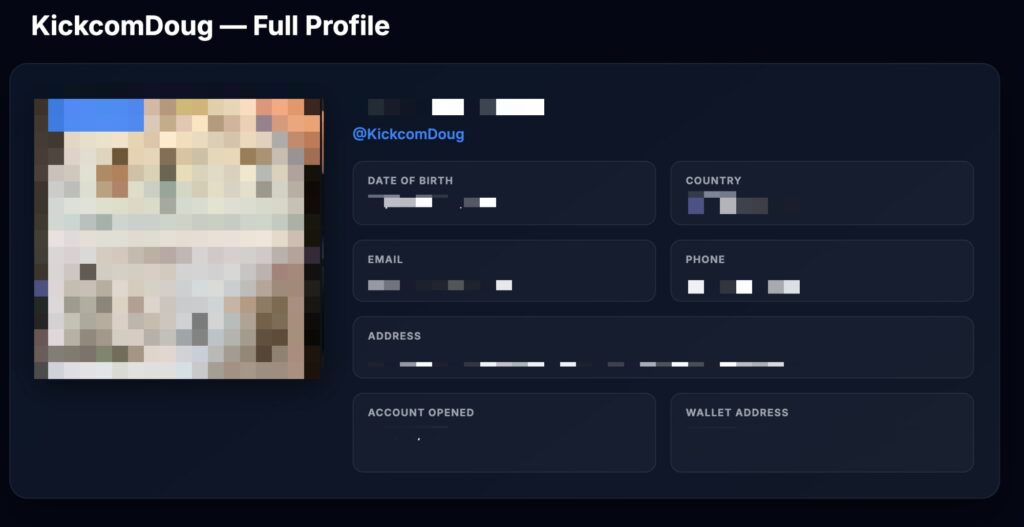
According to the posts, the leaked material includes passport scans, home addresses, contact details, crypto wallet addresses, and casino transaction histories. The group behind the site frames its targets as streamers it accuses of gambling on “fake” or house-funded balances while promoting casinos – and advertises “custom dossiers” for sale via Telegram, pointing to a doxxing-for-hire operation rather than a whistleblower leak.
UPDATE : The @Roobet hackers are actively leaking more sensitive information to a dedicated site following the data breach.
They claim they’re targeting streamers they allege use fake balances and are on Roobet’s payroll.
The leaked material appears to include personal… https://t.co/hd3k3LJV4N pic.twitter.com/uq8dim92nE
— Yogi (@YogiGambles) July 26, 2026
Community reaction has been split between users doubting the material’s authenticity and others claiming to confirm specific transaction details. As of this writing, Roobet has not issued a public statement, and the breach remains unverified.
bruh i can confirm these deposits
— Neo (@trustyneo) July 26, 2026
If the records are authentic and did originate from Roobet, the incident would carry significant implications: exposed KYC documents such as passports create durable identity-theft risk for those affected, and would raise questions about how the platform stores and secures customer verification data.